Global
Stories that don’t belong to any one map pin.
Explainers on ride technology, manufacturer coverage, industry-wide trends — the pieces that apply whether you’re queueing in Staffordshire or Osaka. Most of the evergreen library lives here.
Coverage
-
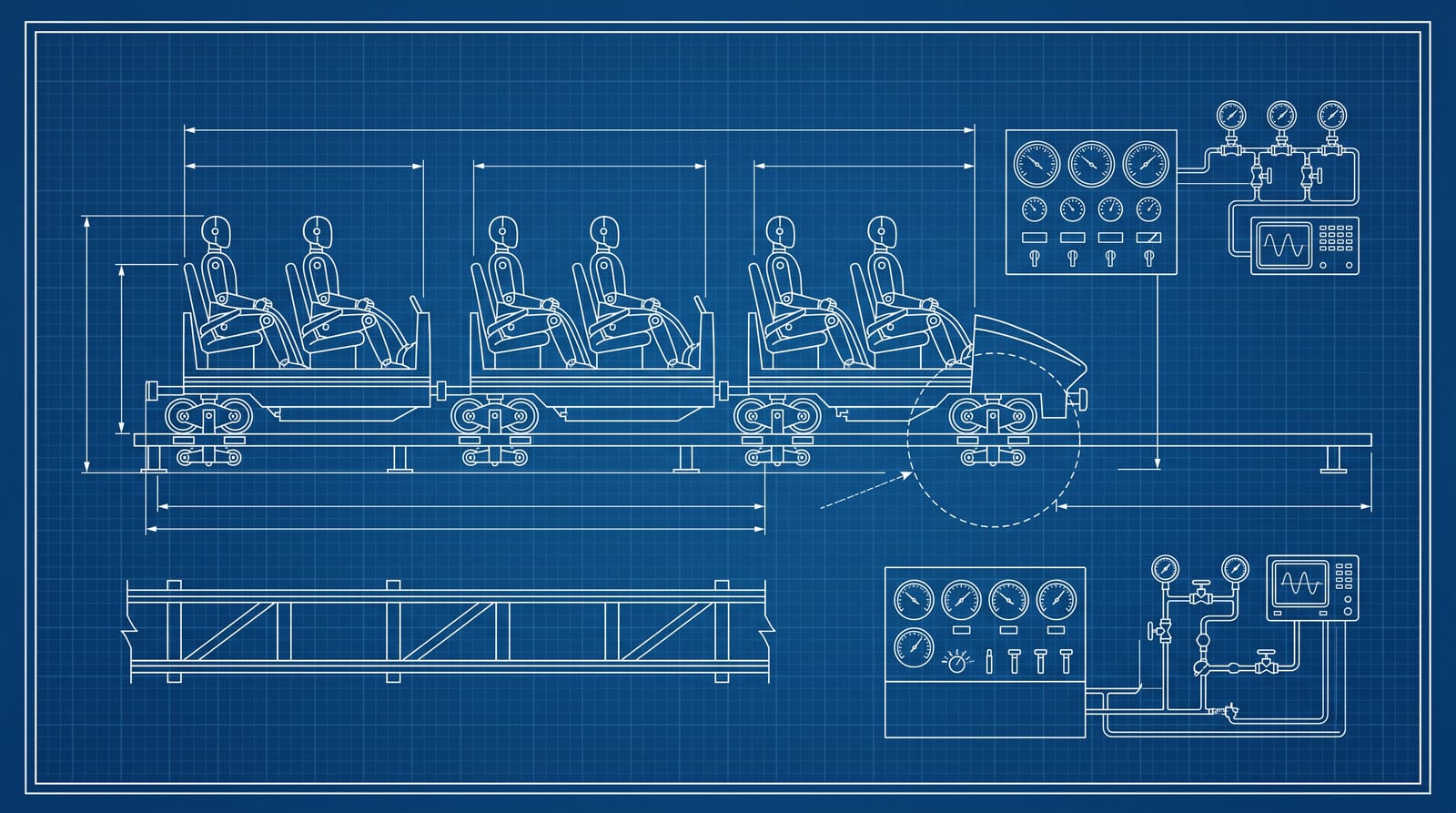
How Roller Coaster Control Systems Work: PLCs, Sensors and Who Is Really Driving
Roller coaster control systems explained: how a safety PLC, paired track sensors and a dispatch interlock run the ride, and what the operator actually controls.
-
Zamperla's Hypnosiz Doubles the Nebulaz to 64 Seats and Swaps Its Harnesses for Seat Belts
Zamperla's Hypnosiz flat ride seats 64, twice the Nebulaz it is based on, and uses seat belts in place of shoulder harnesses. The spec sheets compared, and what they show.
-
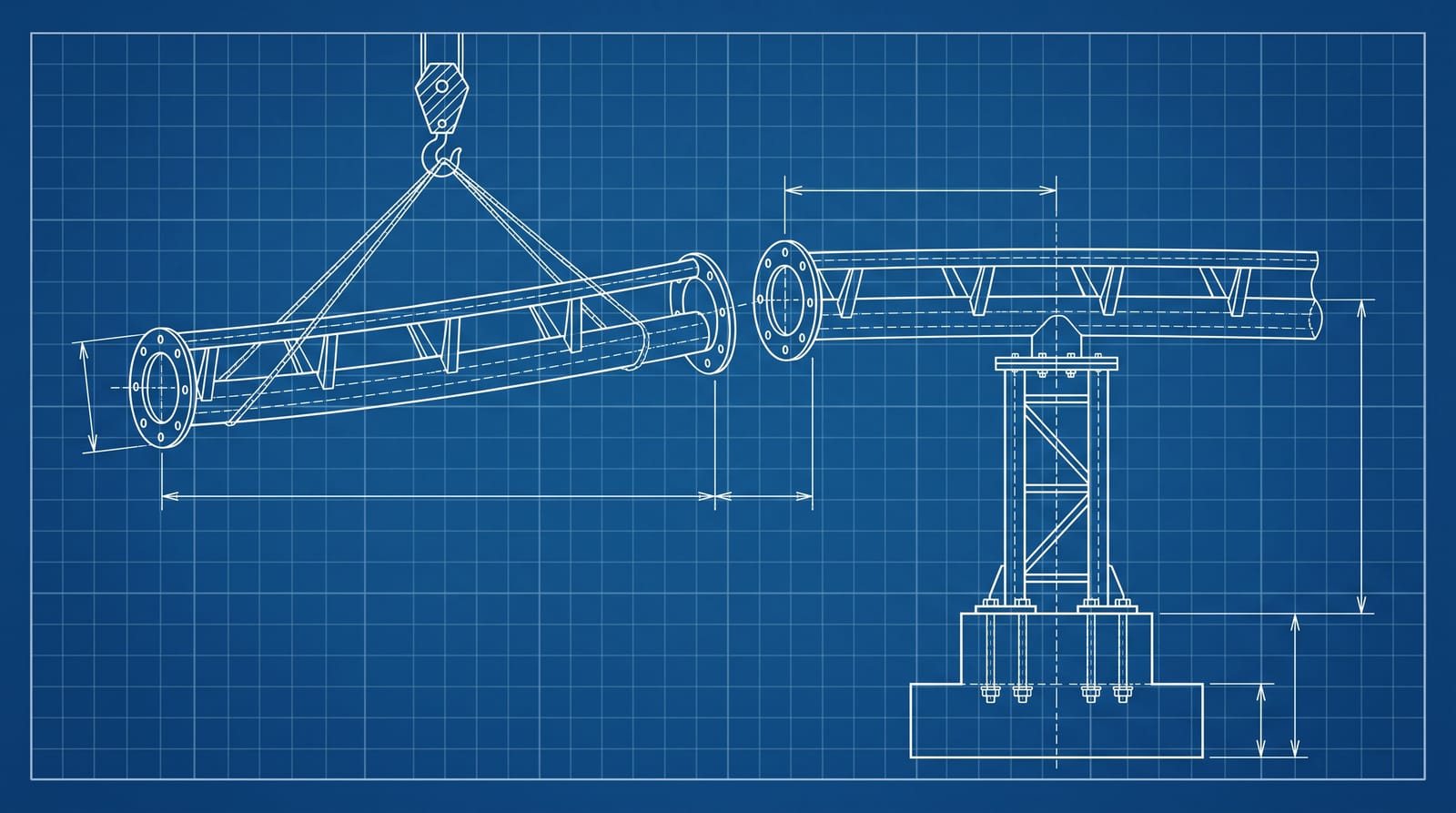
How Roller Coasters Are Built: From Steel Pipe to Finished Track
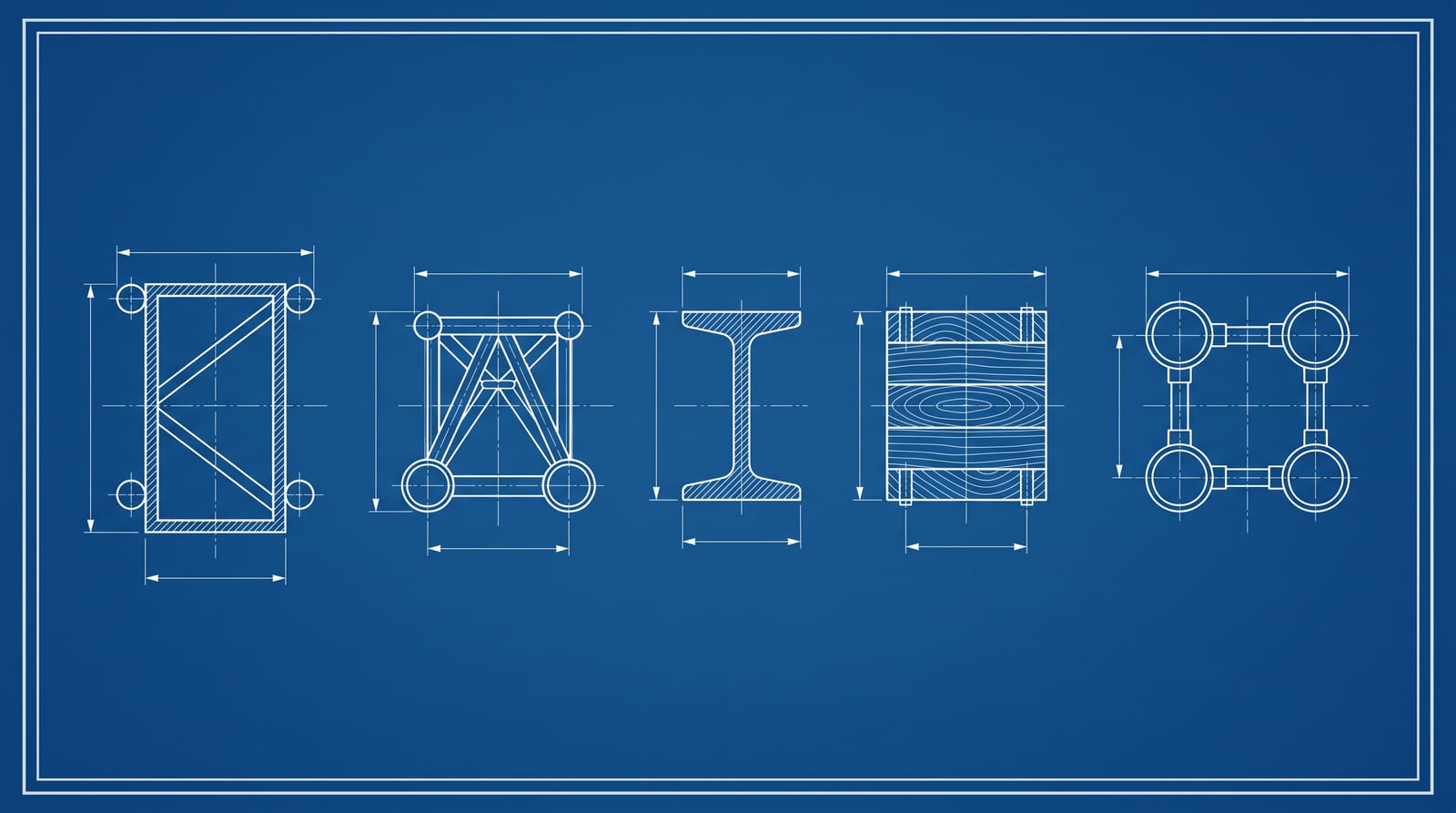
How roller coasters are built: track is bent and welded in a factory, shipped in sections, then bolted onto columns standing on concrete footings and tested for weeks.
-
How Roller Coaster Airtime Works: The Physics of Floating Out of Your Seat
How roller coaster airtime works: why negative g lifts you from the seat, the difference between floater and ejector airtime, and how hills are shaped to deliver it.
-
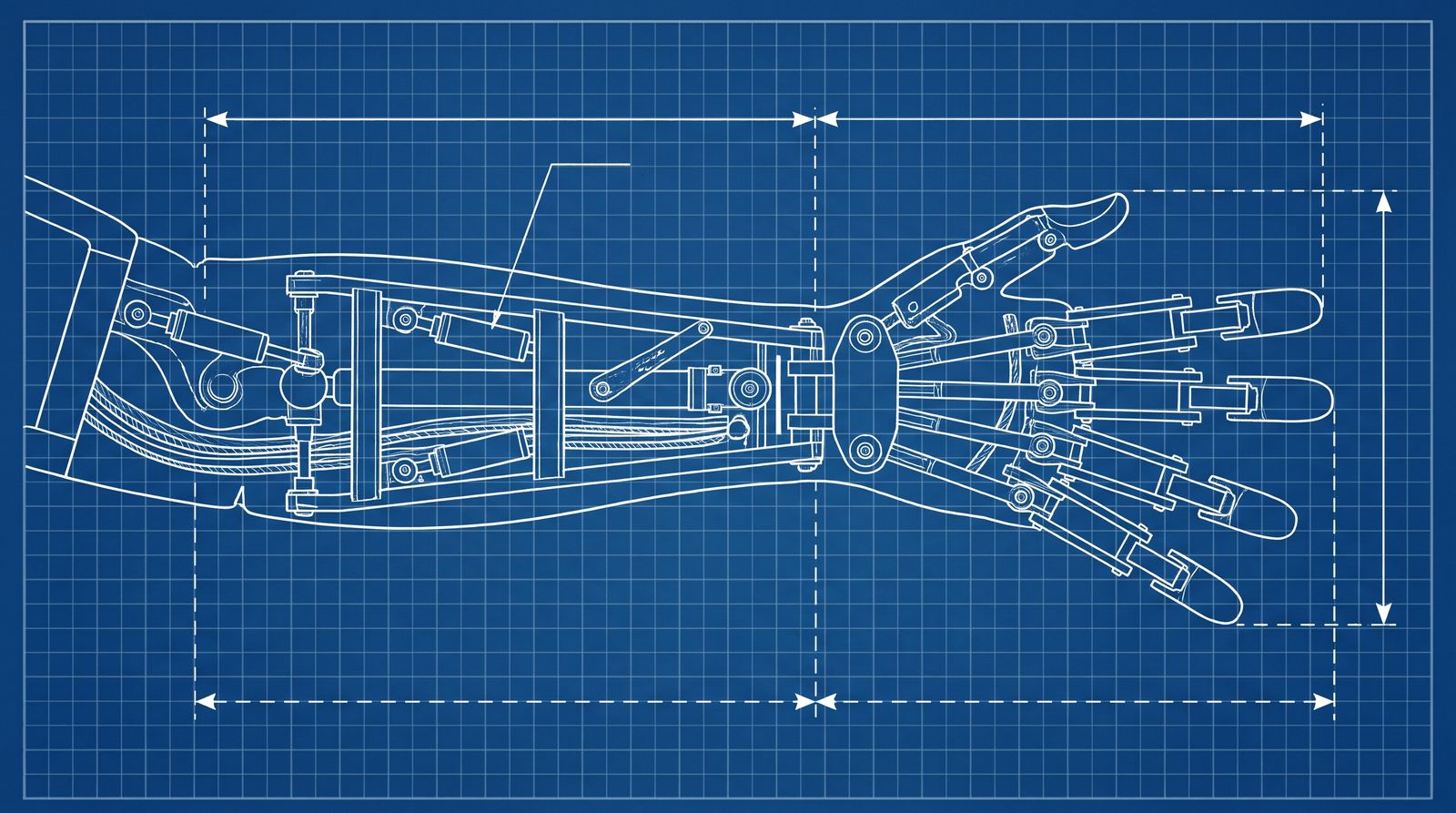
How Theme Park Animatronics Work: Actuators, Show Control and Skin
How theme park animatronics work: pneumatic and hydraulic actuators, show control timed to the soundtrack, compliance, and why silicone skin keeps failing.
-
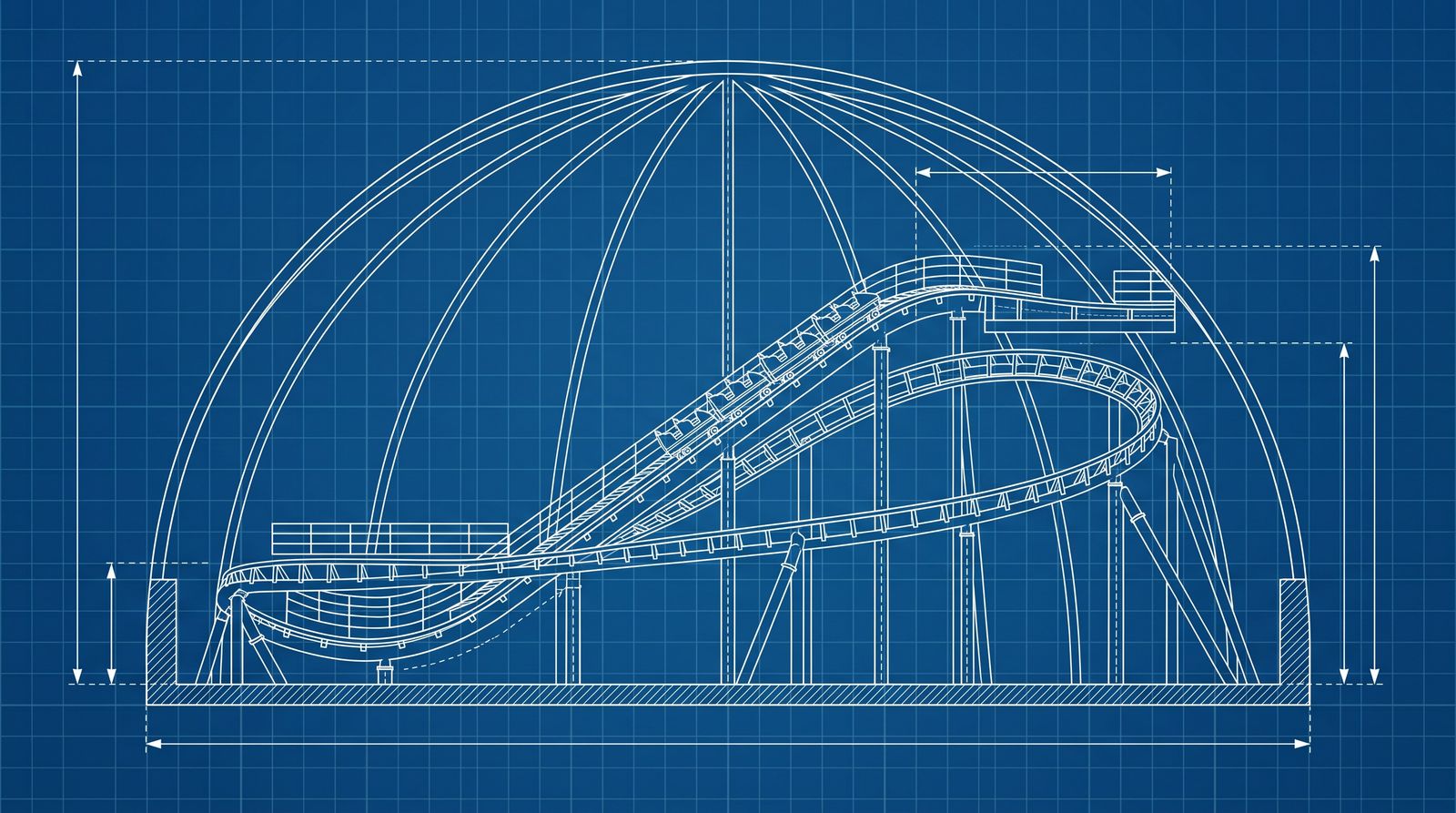
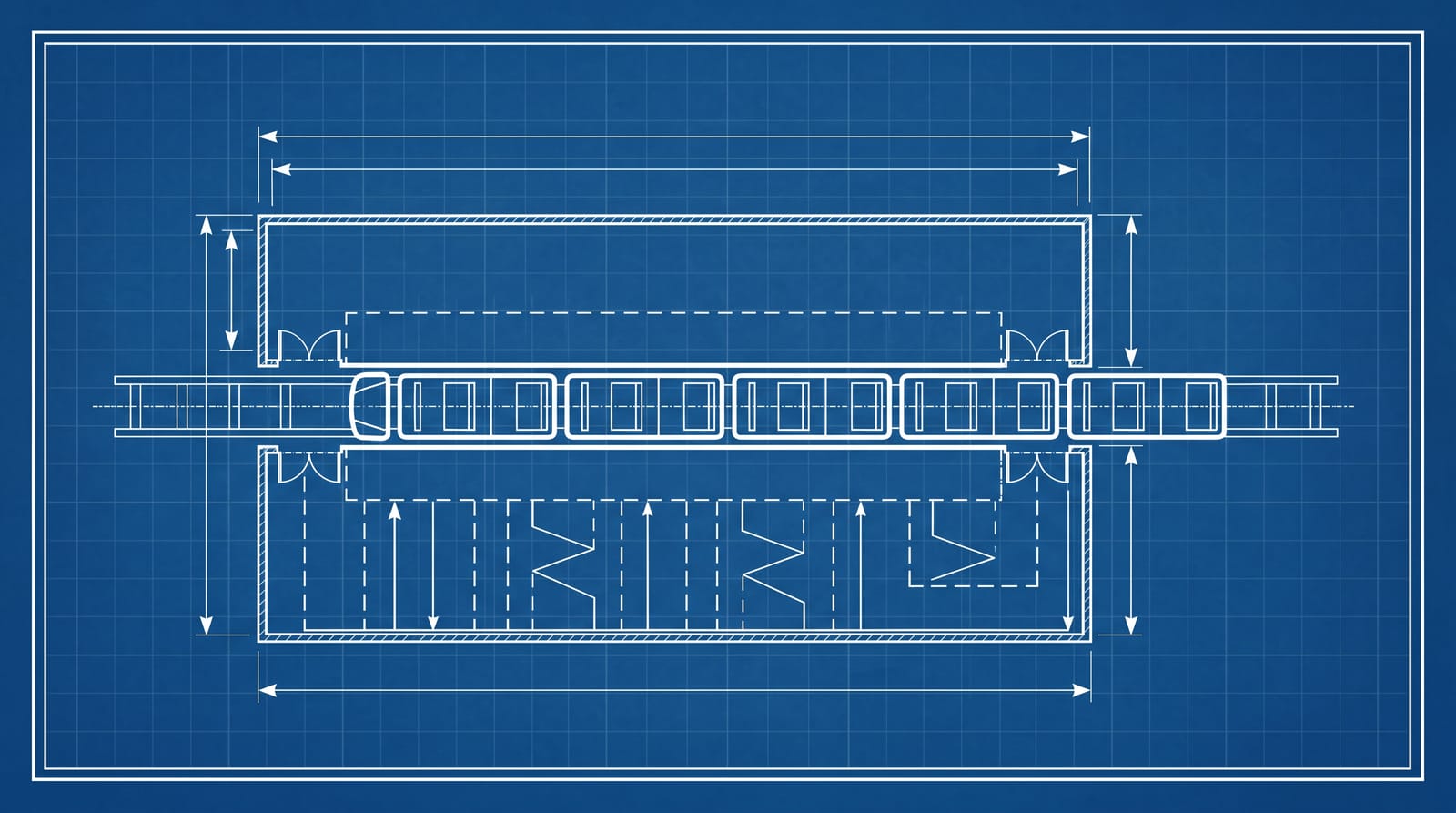
How Indoor Roller Coasters Work: Building a Ride Inside a Box
How does an indoor roller coaster work? Why launches replace lift hills, how darkness changes speed, and what happens when the lights come on.
-
How Roller Coasters Are Moved: Dismantling, Rebuilding and Recertifying a Ride
How roller coasters are moved from one park to another: the strip-down, crack-testing, transport, new foundations and recertification that turn a coaster into a second-hand one.
-
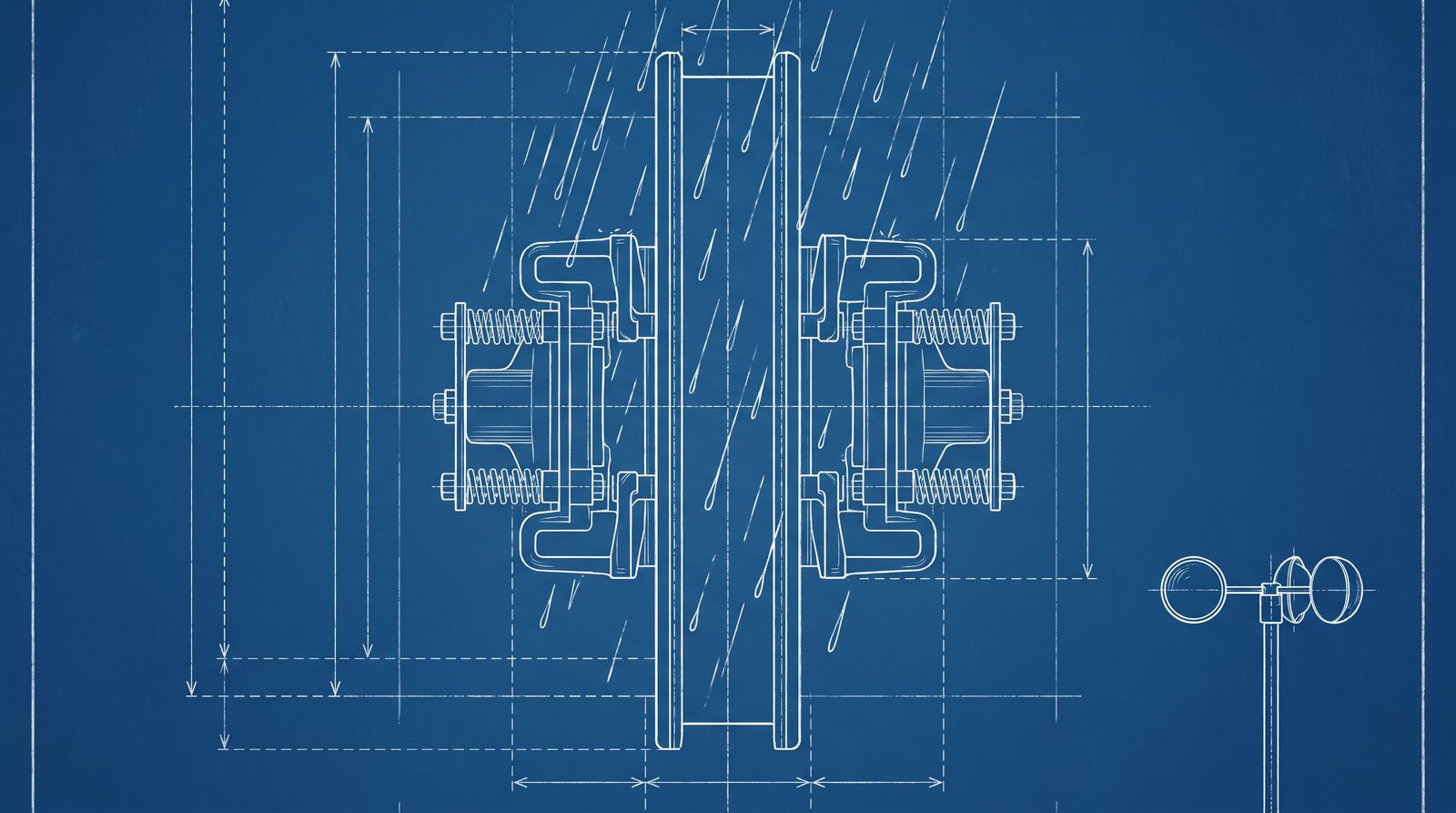
Why Theme Park Rides Close in the Rain, Wind and Lightning
Why do rides close in the rain? How wind sensors, wet brakes and lightning rules decide when a coaster runs — and why the call isn't made on a whim.
-
How Roller Coaster Safety Inspections Work — and Why the Checking Never Stops
Daily test runs, annual crack-testing and three different national systems — how roller coaster safety inspections actually keep trains running safely.
-
The Patent Suit Over SeaWorld Orlando's Surf Coaster Is Over — and B&M Is Free to Build More
Vekoma's patent suit against B&M over Pipeline: The Surf Coaster's restraint has been dismissed with prejudice, clearing the legal cloud over any second surf coaster.
-
How Log Flumes and River Rapids Rides Actually Work
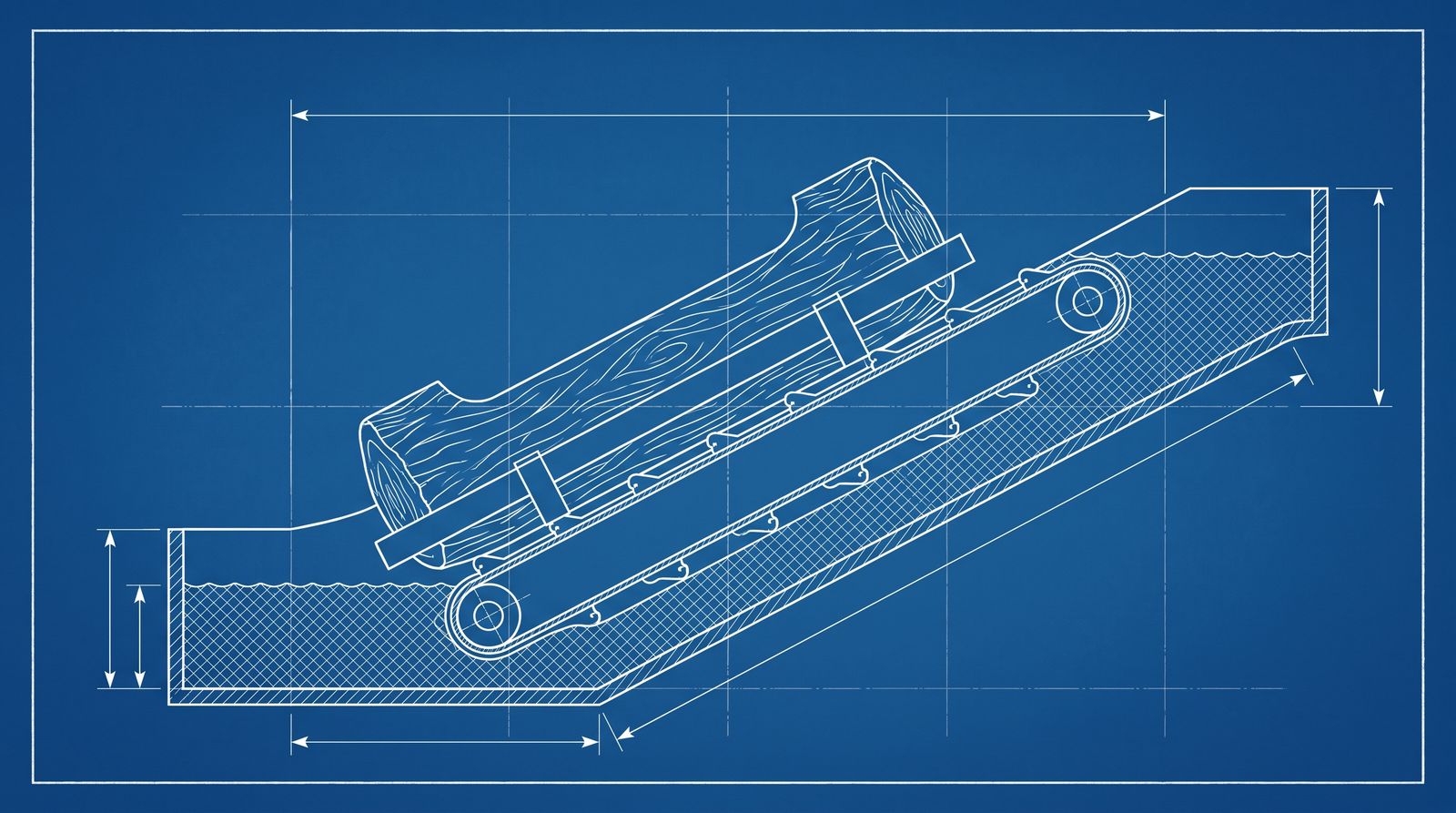
How log flumes and river rapids rides work: the conveyor lift and uphill kick behind the splash, and the fixed channel fins that make rapids boats spin.
-
How Roller Coaster Loops Are Engineered — Why They're Not Circles
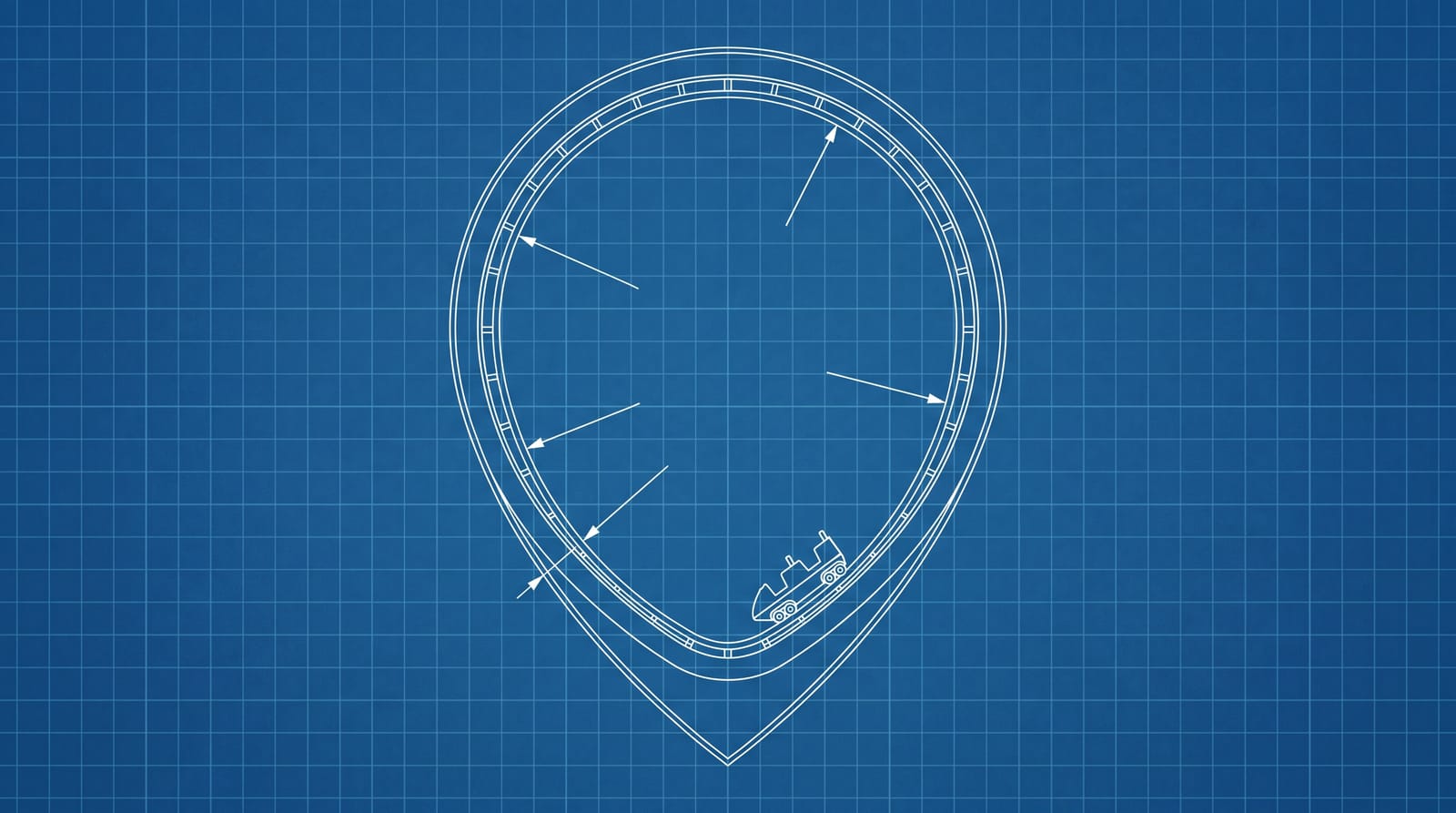
How roller coaster loops actually work: the teardrop clothoid curve, heartlining and the g-forces engineered to keep an inversion thrilling rather than dangerous.
-
How Roller Coaster Wheels Keep Trains Locked to the Track
Roller coaster wheels explained: how road, guide and upstop wheels work together in one truck — the three-wheel grip that stops a train leaving the rail, even upside down.
-
How Drop Tower Rides Actually Work: Freefall, Pneumatics and Magnetic Brakes
How do drop towers work? Gravity release and pneumatic launch explained, plus the eddy-current magnets that catch every gondola — with real rides and verified heights.
-
LSM vs Hydraulic Launch: How Coasters Go 0–60 Without a Hill
How do launch coasters work? Hydraulic winches and LSM electromagnetic launches explained — and why the magnets have quietly won the speed war.
-
How Roller Coaster Brakes Actually Work (and Why Trims Exist)
Roller coaster brakes explained: pinch brakes, magnetic eddy-current brakes, block brakes and the much-grumbled-about trim — and why trains carry no brakes at all.
-
Chain Lifts, Cable Lifts and Elevator Lifts Explained
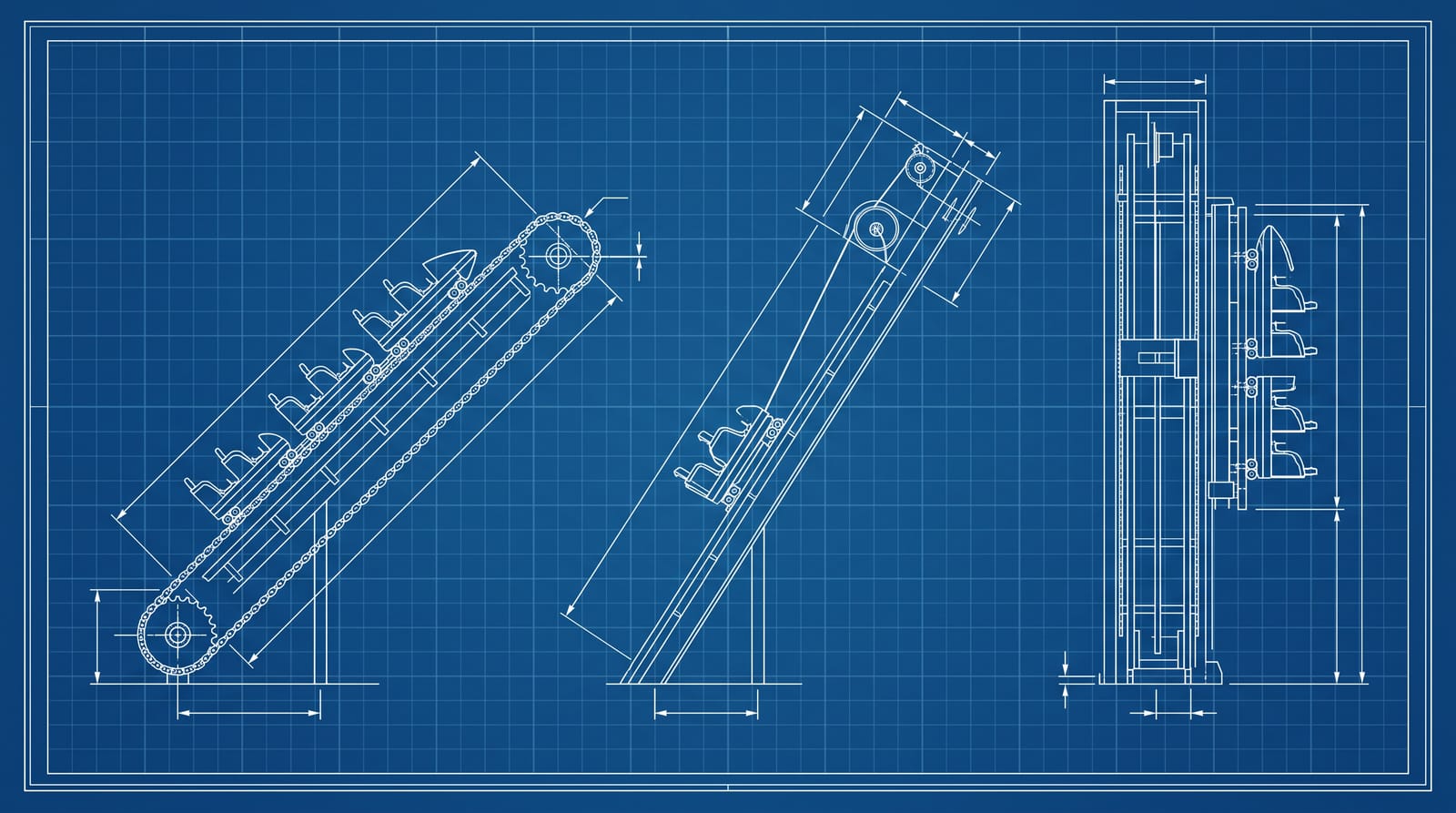
The roller coaster lift hill in all its forms: how chain lifts, cable lifts, vertical lifts and elevator lifts get a train up there — and why designers pick each.
-
Who Builds the World's Roller Coasters? A Guide to the Manufacturers
The roller coaster manufacturers explained: B&M, Intamin, Mack, Vekoma, RMC, GCI, Gerstlauer and Zamperla — who builds what, and how to tell them apart.
-
How Roller Coaster Restraints Actually Work (and Why Headbanging Still Happens)
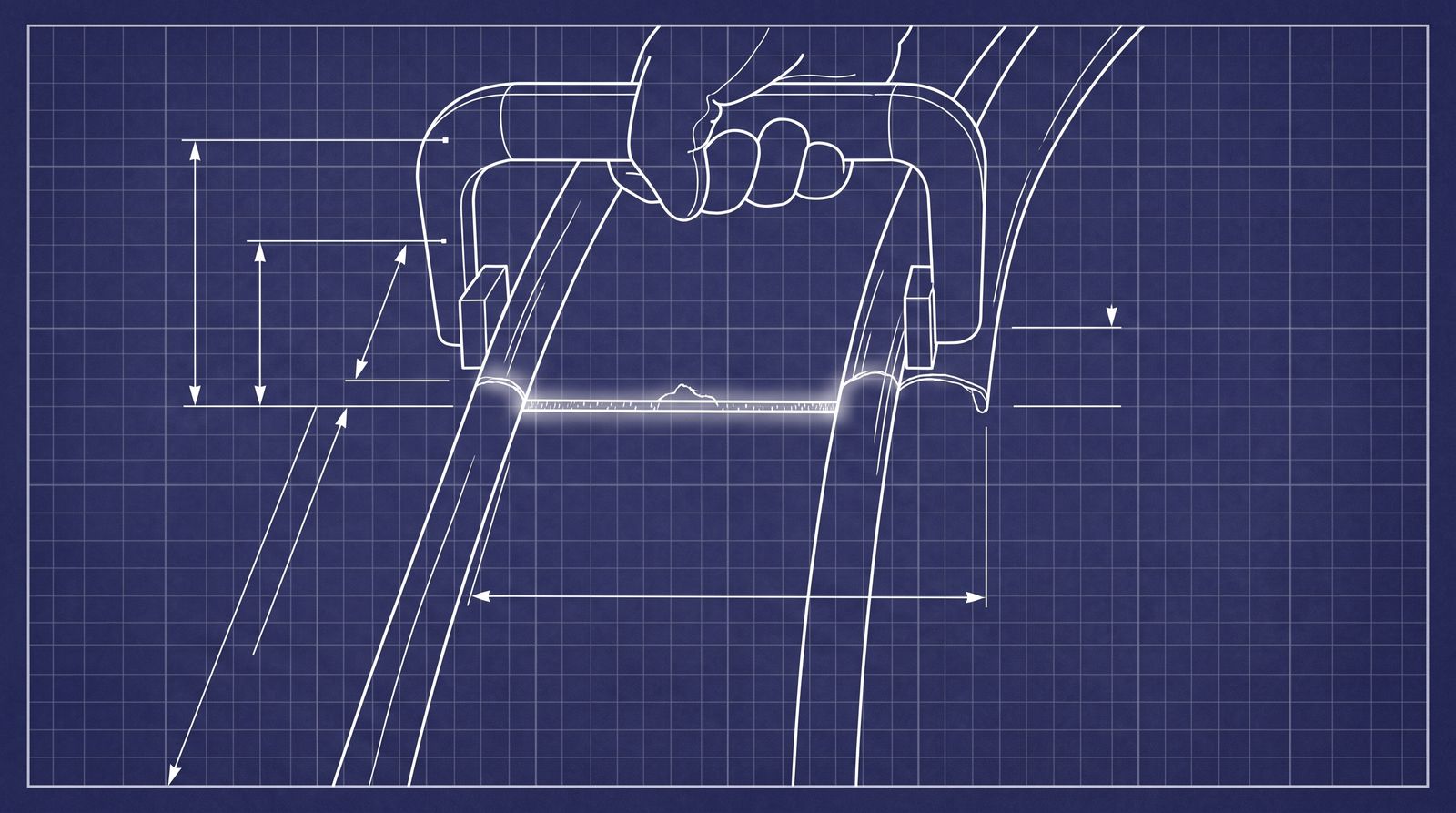
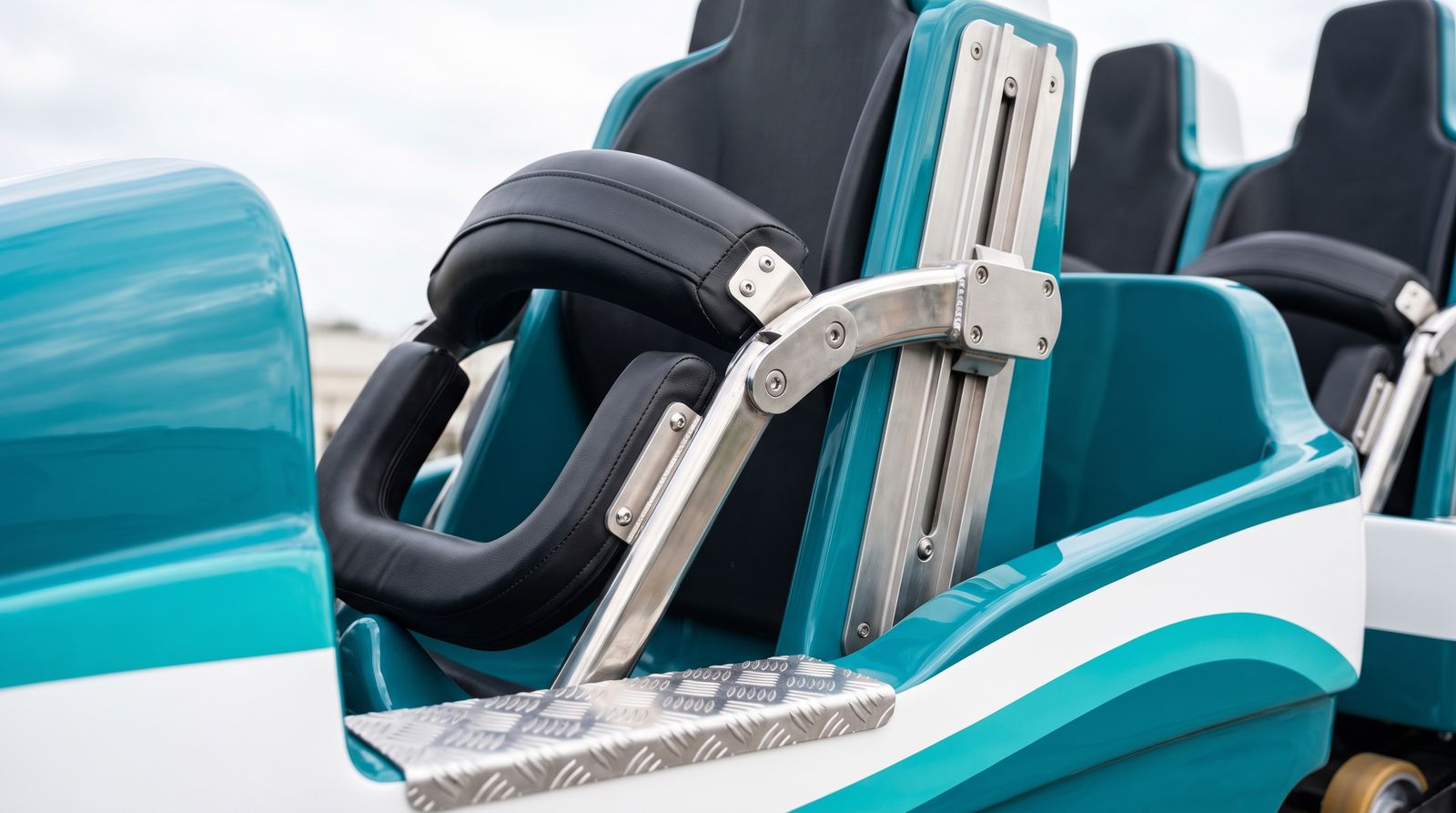
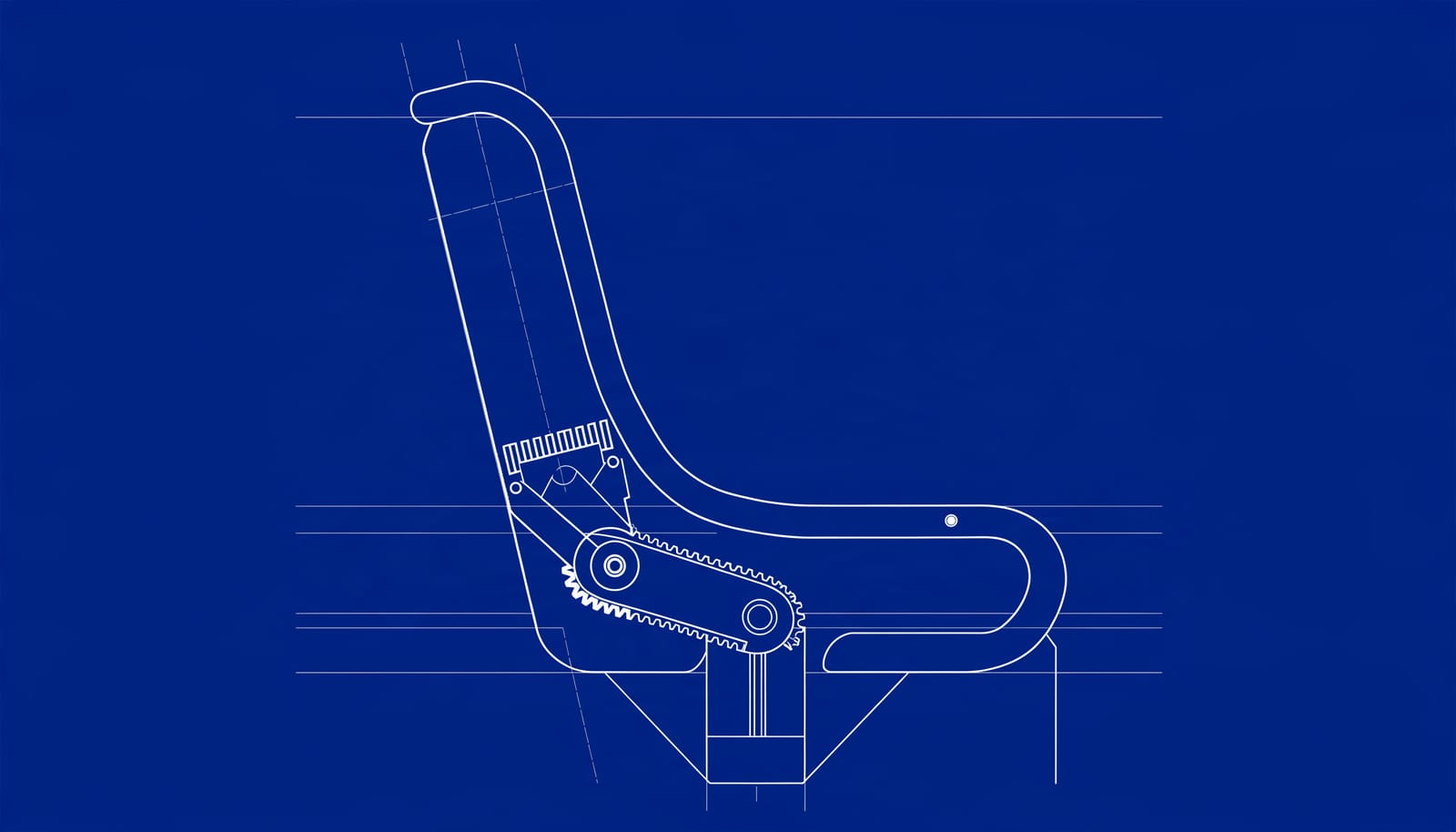
How roller coaster restraints actually work: lap bars, over-the-shoulder harnesses and vest restraints explained, plus why some rides still bang your head.
-
How Roller Coaster Block Systems Work — and Why Trains Never Collide
The roller coaster block system explained: how one-train-per-block logic, fail-safe brakes and track sensors keep coaster trains apart on every ride.
-
How Theme Parks Calculate Ride Capacity (and Why the Queue Is Long)
Theme park ride capacity explained: the riders-per-hour equation, theoretical vs actual throughput, and the queue arithmetic behind every posted wait time.
-
What a Technical Rehearsal Is, and Why Parks Soft-Open Rides
Soft openings and technical rehearsals explained: how a theme park ride goes from water dummies to paying guests, and why 'may operate' signs are a gift.
-
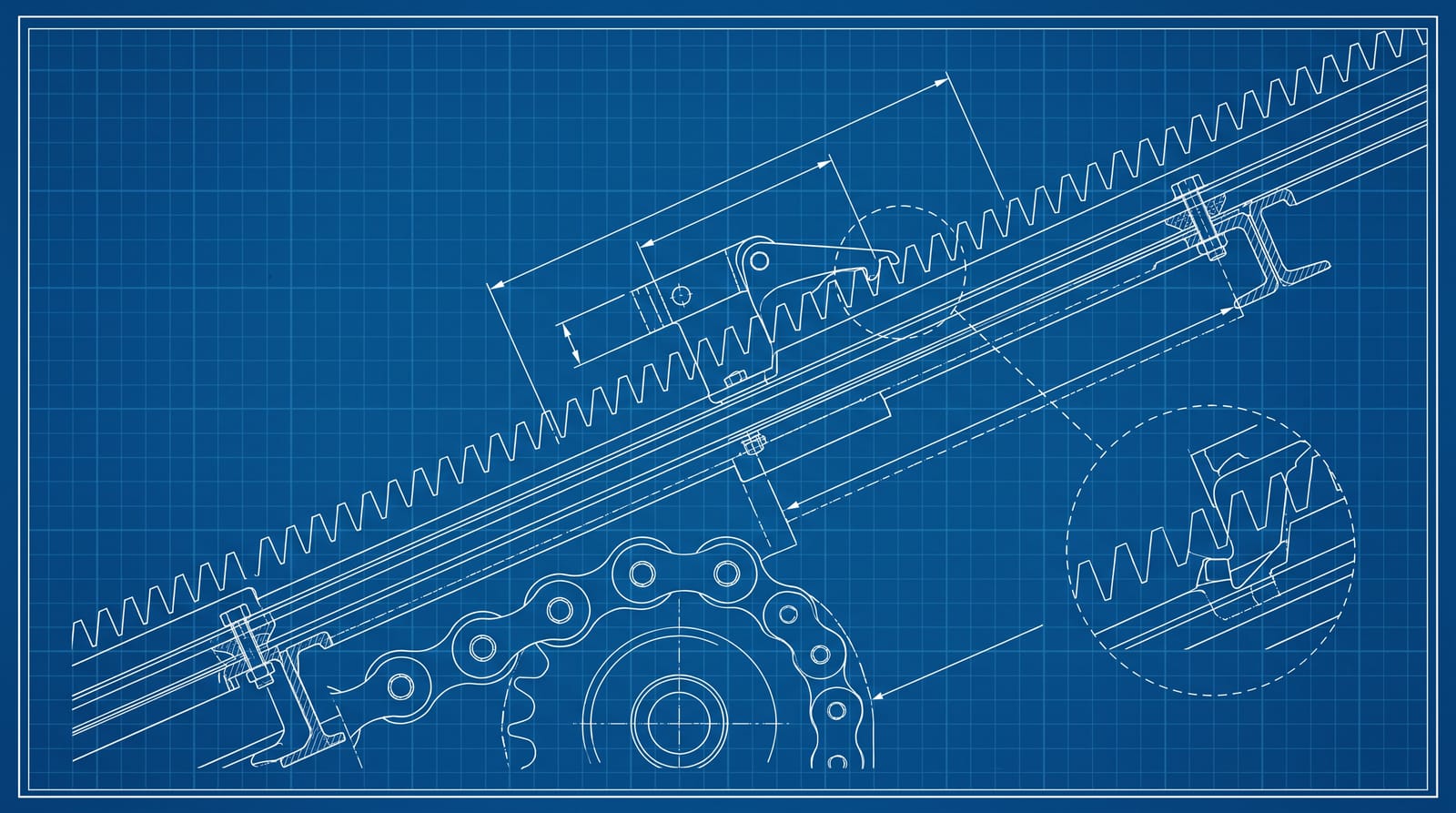
Why Roller Coasters Make the Clickety-Clack Sound
Why do roller coasters click on the lift hill? Each clack is an anti-rollback ratchet — a 1910 safety invention still guarding every climb. Here's how it works.
-
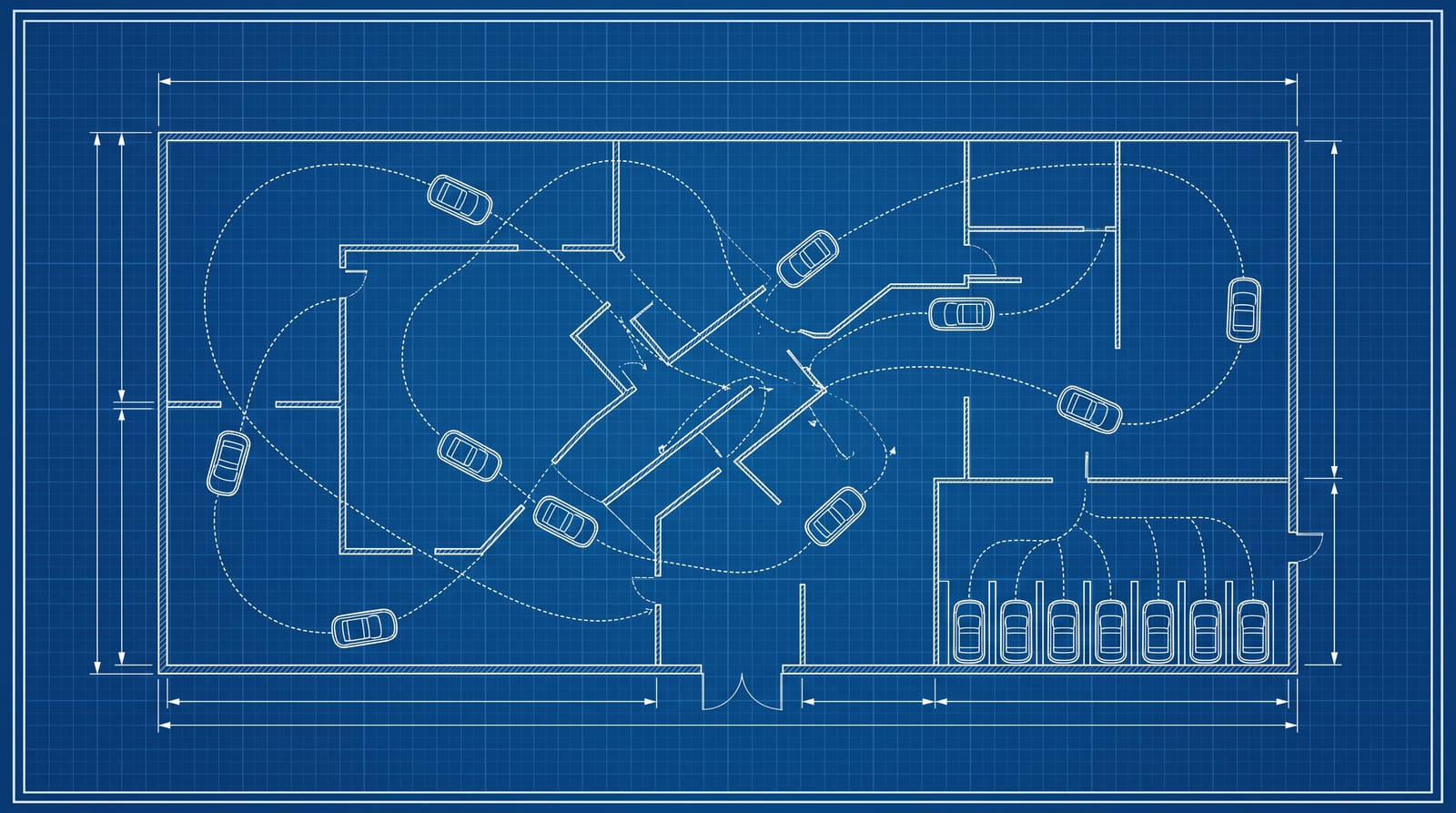
How Trackless Dark Ride Systems Work
Trackless dark ride technology explained: how battery vehicles with no rail navigate by dead reckoning and floor markers, choreographed by a central control system.
-
Wood vs Steel vs RMC Hybrid: What Actually Changes
Wooden vs steel roller coasters, explained at the rail: why wood flexes and roars, why steel loops and lasts, and how RMC's I-Box hybrids split the difference.